

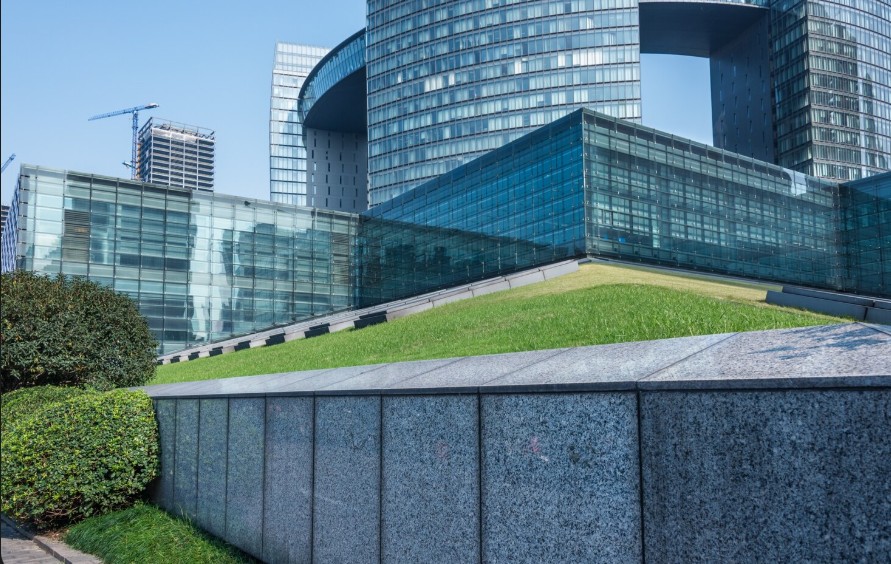
Sustainable construction practices are becoming increasingly standard across new building projects in Canada as environmental concerns, regulatory requirements, and market expectations continue to evolve. The construction industry is undergoing a structural shift toward lower-carbon materials, energy-efficient designs, and environmentally responsible building methods.
Advertorial
Government policies have played a significant role in driving this transition. Federal and provincial regulations increasingly require new developments to meet stricter energy efficiency and environmental performance standards. These rules are designed to reduce greenhouse gas emissions, improve building resilience, and support long-term climate goals.
One of the most visible changes in the industry is the growing use of low-carbon and recycled materials. Concrete, steel, and insulation products are being reformulated to reduce environmental impact. In some projects, traditional materials are being partially replaced with engineered wood and other renewable alternatives that offer improved sustainability profiles.
Energy efficiency is a central focus of modern construction design. New buildings are increasingly equipped with high-performance insulation, advanced heating and cooling systems, and smart energy management technologies. These features help reduce energy consumption while lowering long-term operating costs for building owners and tenants.
Certification systems such as LEED and other green building standards have become widely recognized benchmarks in the industry. Developers often pursue certification to demonstrate environmental responsibility and increase property value. These standards typically evaluate factors such as energy use, water efficiency, indoor environmental quality, and material selection.