

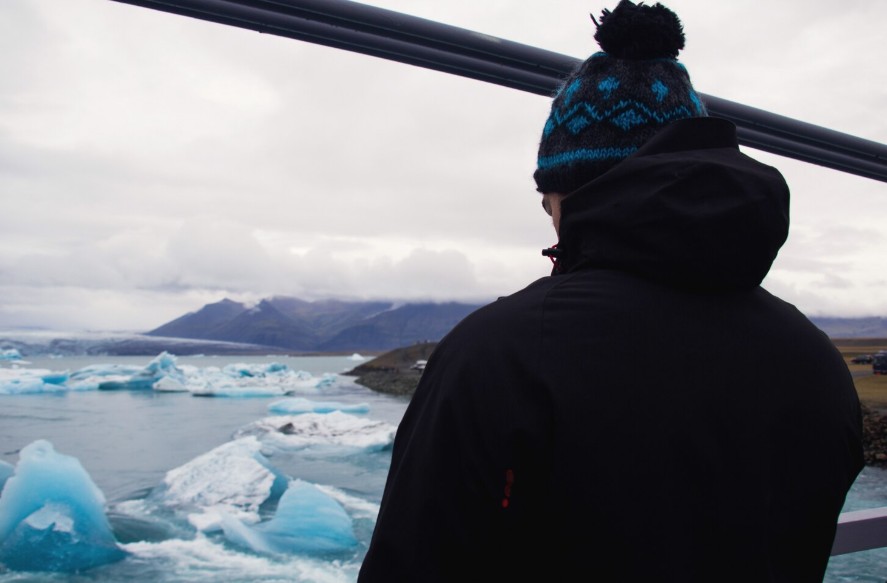
Canada is increasing its efforts to strengthen sovereignty and security in the Arctic as geopolitical interest in the region continues to grow. The Arctic has become increasingly important due to climate change, emerging shipping routes, natural resources, and evolving security concerns. As ice coverage decreases and access to northern waters becomes easier, governments around the world are paying closer attention to the region’s strategic significance.
Advertorial
Canadian officials have repeatedly emphasized that the Arctic is a core part of the country’s national identity and long-term security strategy. The federal government has announced investments aimed at improving infrastructure, supporting northern communities, enhancing surveillance capabilities, and increasing the operational readiness of military and coast guard assets operating in remote northern areas.
One of the key priorities is improving Canada’s ability to monitor activity across its vast Arctic territory. The country’s northern region covers millions of square kilometers and includes extensive coastlines, remote islands, and challenging environmental conditions. Monitoring such a large area requires advanced technology, including satellites, radar systems, maritime surveillance tools, and modern communication networks.
Recent investments have focused on upgrading early warning systems and strengthening cooperation with defense partners. Security experts note that the Arctic is becoming increasingly relevant to international defense planning due to changing geopolitical dynamics and growing activity by major global powers. As a result, Canada continues to work closely with allies to ensure that the region remains stable, secure, and governed by international law.
Infrastructure development also plays an important role in Canada’s Arctic strategy. Transportation networks, ports, airfields, and communication systems are considered essential for both civilian and security purposes. Improved infrastructure can help local communities access services more effectively while also enabling government agencies to respond more rapidly to emergencies and operational requirements.
Northern communities remain at the center of many Arctic initiatives. Government programs frequently emphasize partnerships with Indigenous peoples and local governments. Indigenous communities possess extensive knowledge of the region and play a critical role in environmental stewardship, emergency response, and sustainable development efforts. Policymakers have increasingly highlighted the importance of including local perspectives in decision-making processes related to Arctic governance.