

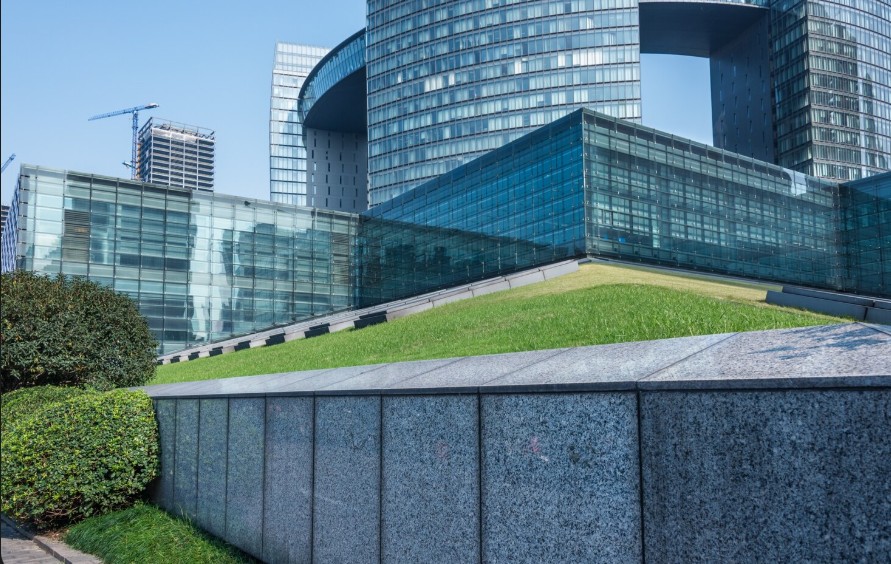
Urban development projects are also incorporating sustainability at the planning level. Mixed-use developments, transit-oriented construction, and compact urban design strategies are being used to reduce transportation needs and improve land-use efficiency. These approaches aim to create more livable and environmentally balanced cities.
Advertorial
Water management has become another important area of focus. Modern buildings increasingly include systems for rainwater collection, water recycling, and efficient plumbing technologies. These systems reduce strain on municipal infrastructure and contribute to more sustainable resource usage.
Construction companies are also adopting waste reduction strategies on job sites. Recycling construction debris, optimizing material usage, and reducing landfill waste have become common practices. Some firms are implementing circular economy principles, where materials are reused or repurposed whenever possible.
Despite strong momentum, sustainable construction still faces challenges. Environmentally friendly materials can be more expensive, and supply chains may not always support large-scale adoption. Additionally, achieving compliance with evolving regulations requires ongoing investment in training and design capabilities.
Technological innovation is helping accelerate adoption. Building information modeling (BIM), energy simulation tools, and advanced materials science are enabling more precise planning and efficient resource use. These technologies allow developers to evaluate environmental performance before construction begins.
Demand from consumers and tenants is also influencing the market. Many buyers and renters now prioritize energy efficiency, environmental impact, and long-term operating costs when selecting properties. This shift in demand encourages developers to incorporate sustainable features into new projects.
Experts expect sustainable construction to continue expanding as climate policies tighten and technology advances. Over time, environmentally responsible building practices are likely to become not only standard but essential for regulatory approval and market competitiveness in Canada’s construction sector.