

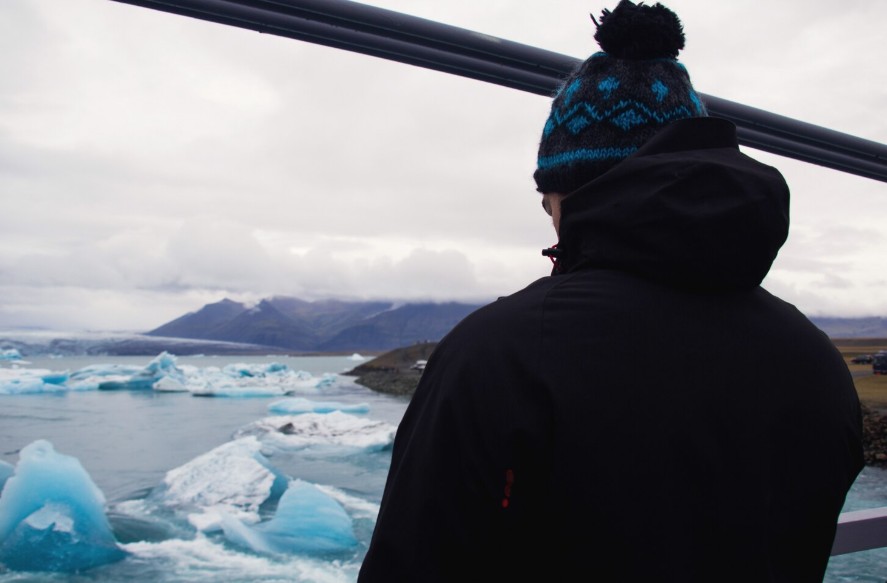
Climate change remains one of the most significant factors shaping the future of the Arctic. Rising temperatures have accelerated environmental changes across the region, affecting ecosystems, wildlife, and traditional ways of life. At the same time, reduced ice coverage has created new opportunities for shipping and economic activity. Experts caution that increased access to the Arctic may bring both benefits and challenges, requiring careful management and international cooperation.
Advertorial
Economic opportunities in the Arctic continue to attract attention from governments and businesses. The region contains significant natural resources, including minerals, critical metals, and energy reserves. As global demand for strategic resources grows, interest in Arctic development is expected to increase. However, many experts argue that economic growth must be balanced with environmental protection and respect for Indigenous rights.
Canada’s coast guard is expected to play an increasingly important role in the years ahead. The organization supports maritime safety, search and rescue operations, environmental response efforts, and the enforcement of Canadian laws in northern waters. Modernization projects aimed at expanding operational capabilities are intended to improve the country’s ability to manage growing levels of activity in Arctic regions.
Scientific research is another major component of Canada’s northern strategy. Researchers continue to study environmental trends, climate impacts, marine ecosystems, and infrastructure resilience in extreme conditions. Government agencies, universities, and international partners frequently collaborate on Arctic research projects that contribute to a better understanding of the rapidly changing region.
Analysts generally agree that the Arctic will remain a priority area for Canadian policy throughout the coming decades. The combination of environmental change, strategic competition, economic opportunity, and community development presents a complex set of challenges that require long-term planning. Strengthening sovereignty does not rely solely on military presence; it also involves supporting local populations, investing in infrastructure, promoting sustainable development, and maintaining a strong governance framework.
As global attention toward the Arctic continues to increase, Canada is positioning itself to play a leading role in shaping the future of the region. Through a combination of security investments, community partnerships, scientific research, and international cooperation, the country aims to protect its interests while supporting stability and responsible development across the North.